
Commonly Misused Medicines in Nigeria: Risks, Warning Signs and Safer Choices

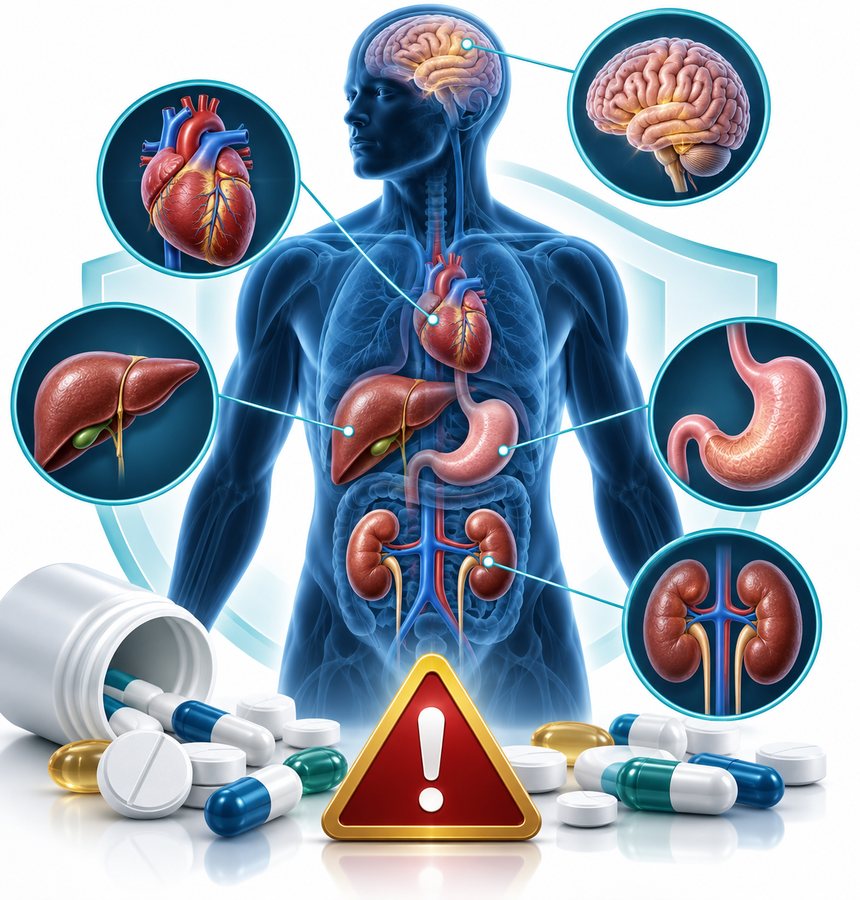
Medicines can relieve pain, prevent pregnancy, treat infection and save lives—but the wrong medicine, wrong dose, unsafe combination or prolonged self-medication can also cause serious harm. Easy availability does not make a medicine harmless.
Important: This article is for public education, not diagnosis or personal prescribing. Do not stop a prescribed medicine suddenly without professional advice. Speak with a licensed doctor or pharmacist about your medical conditions, pregnancy, allergies and other medicines.
What “medicine misuse” means
Medicine misuse includes taking a medicine without a proper indication, exceeding the recommended dose, using it for too long, sharing prescriptions, combining medicines or alcohol unsafely, or using antibiotics for conditions they cannot treat. The World Health Organization has warned that medicines can harm when they are used incorrectly, and that antimicrobial misuse accelerates drug resistance.
1. Diclofenac, piroxicam (Felvin), ibuprofen and aspirin-containing powders
These medicines belong to, or contain medicines from, the non-steroidal anti-inflammatory drug (NSAID) family. They are commonly used for menstrual pain, joint pain, headache and other painful conditions.
Potential dangers of careless or prolonged use include:
- Stomach irritation, ulcers and gastrointestinal bleeding
- Kidney injury, especially in people who are dehydrated or already have kidney disease
- Fluid retention and increased blood pressure
- Higher cardiovascular risk with some NSAIDs, particularly at higher doses or prolonged use
- Worsening of asthma in people who are sensitive to aspirin or other NSAIDs
Alabukun caution: Alabukun contains aspirin and caffeine. Aspirin can increase bleeding and ulcer risk, while caffeine may add palpitations, anxiety or sleep disturbance. Do not combine several painkillers from the same family without professional advice.
2. Levonorgestrel emergency contraception (commonly sold as Postinor)
Emergency contraception can help prevent pregnancy after unprotected sex or contraceptive failure. Common short-term effects can include nausea, headache, abdominal discomfort, fatigue, spotting and a period that arrives earlier or later than expected.
Repeated use may cause more menstrual irregularity and is less suitable than choosing a reliable regular contraceptive method. However, the World Health Organization states that repeated emergency-contraceptive-pill use poses no known long-term health risks. Claims that occasional emergency contraception has been proven to cause breast cancer should not be presented as established fact.
Emergency contraception does not protect against sexually transmitted infections and does not end an established pregnancy. Seek medical advice if a period is more than a week late, severe lower abdominal pain develops, or pregnancy is suspected.
3. Codeine-containing cough syrup
Not every cough syrup contains codeine, but those that do can cause drowsiness, impaired judgement, constipation, dependence, dangerous slowing of breathing and fatal overdose. Risk becomes much higher when codeine is mixed with alcohol, sleeping tablets, benzodiazepines, tramadol or other sedating substances.
NAFDAC has repeatedly warned about codeine-containing cough-syrup abuse in Nigeria. Use cough medicines only for the right indication and according to professional advice.
4. Coffee and other sources of caffeine
Coffee is not a prescription drug, and moderate use is tolerated by many adults. Excess caffeine—from coffee, energy drinks, tea, cola or stimulant products—may cause insomnia, anxiety, headache, tremor, palpitations and a temporary rise in blood pressure.
Pregnant women should discuss caffeine intake with their antenatal-care provider and follow current local guidance. People with troublesome palpitations, anxiety, uncontrolled blood pressure or sleep problems should also ask a clinician about reducing intake.
5. Doxycycline and other tetracycline antibiotics
Doxycycline should not be treated as a general remedy for a vague “toilet infection,” nor used to attempt an abortion. Possible adverse effects include nausea, oesophageal irritation, diarrhoea, sun sensitivity and allergic reactions. It may be unsuitable during pregnancy or for some young children unless a qualified clinician determines that its benefits outweigh the risks.
Unnecessary antibiotic use also contributes to antimicrobial resistance, making future infections harder to treat.
6. Vitamin C supplements
Vitamin C is essential, but more is not always better. High supplemental doses may cause nausea, abdominal cramps and diarrhoea. Large or prolonged doses may increase kidney-stone risk in susceptible people, especially those with a history of kidney stones or certain kidney disorders.
Most people should focus on a balanced diet and use supplements according to professional advice rather than treating vitamin tablets like sweets.
7. Paracetamol (acetaminophen)
Paracetamol is generally safe when used correctly, but overdose can cause severe liver injury, liver failure and death. Accidental overdose may happen when someone takes several cold, flu or pain products that all contain paracetamol.
- Read every label and check the active ingredients.
- Do not exceed the stated dose or combine products carelessly.
- Use the correct child formulation and weight-based instructions.
- Never use paracetamol—or any medicine—to tenderise meat or for another non-medical purpose.
Suspected overdose requires urgent medical attention even when the person initially feels well.
8. Metronidazole (Flagyl)
Metronidazole treats specific bacterial and parasitic infections; it is not a routine treatment for every episode of diarrhoea. Common effects include nausea, diarrhoea and a metallic taste. Longer courses can rarely cause nerve problems such as tingling or numbness.
Avoid alcohol while taking oral metronidazole and for the period stated by the prescriber or medicine leaflet, because the combination may cause severe nausea, vomiting, flushing, abdominal pain and palpitations.
9. Ampicillin–cloxacillin combinations (Ampiclox)
Ampiclox is an antibiotic—not a product for “flushing the system” after sex or abortion. Misuse can cause diarrhoea, allergic reactions and antimicrobial resistance. Severe reactions may occur in people with penicillin allergy.
Symptoms described as “toilet infection” can have several causes and require proper assessment. Antibiotics should be selected for a diagnosed or strongly suspected bacterial infection, not taken automatically.
10. Cyproheptadine products used for weight gain
Cyproheptadine is an antihistamine. It may stimulate appetite, but using it simply to gain weight without medical supervision can expose a person to drowsiness, dizziness, dry mouth, blurred vision, constipation, difficulty urinating and other adverse effects. Sedation may impair driving, schoolwork or operation of machinery.
Unexplained weight loss or difficulty gaining weight deserves medical and nutritional assessment rather than unsupervised medicine use.
11. Bromazepam (Lexotan) and other benzodiazepines
Bromazepam is a sedative medicine. Benzodiazepines can cause drowsiness, impaired coordination, memory problems, misuse, addiction, physical dependence and dangerous withdrawal reactions.
Combining them with alcohol, codeine, tramadol or other sedatives can dangerously suppress breathing. After regular or prolonged use, do not stop suddenly without medical guidance; supervised tapering may be necessary.
12. Tramadol
Tramadol is an opioid pain medicine, not a routine energy booster or recreational drug. Misuse can lead to dependence, severe drowsiness, slowed breathing, loss of consciousness, seizures and death. It can also contribute to serotonin syndrome when combined with certain antidepressants and other medicines.
Never mix tramadol with alcohol, codeine cough syrup, benzodiazepines or other sedatives unless a prescriber who knows all your medicines specifically directs it.
Safer medicine habits
- Use a qualified professional: consult a licensed doctor, pharmacist or other authorized prescriber.
- Read the label: check the active ingredient, dose, expiry date, warnings and storage instructions.
- Avoid duplication: different brands may contain the same active ingredient.
- Disclose everything: tell the professional about pregnancy, allergies, kidney/liver disease and all other medicines or supplements.
- Do not share medicines: a medicine suitable for one person may be unsafe for another.
- Buy from licensed premises: avoid unknown street products and unverified online sellers.
- Do not pressure clinicians for antibiotics: antibiotics do not treat viral illnesses and unnecessary use drives resistance.
- Keep medicines away from children: store them securely and use child-resistant packaging.
When to seek urgent help
Get urgent medical help for difficulty breathing, severe drowsiness, collapse, seizure, confusion, vomiting blood, black stools, swelling of the face or throat, yellow eyes/skin, very little urine, severe abdominal pain, suspected overdose, or a serious allergic reaction.
Bottom line: The safest medicine is not simply the one you can buy easily—it is the right medicine, for the right person, at the right dose and duration, with the right professional guidance.
Sources and further reading
- WHO Africa: Medicines can heal, but they can also harm
- WHO: Emergency contraception
- NHS: Non-steroidal anti-inflammatory drugs
- NHS: Common questions about diclofenac
- NAFDAC: Alert on codeine-containing cough syrup
- WHO: Antimicrobial resistance
- NHS: About metronidazole
- NIH Office of Dietary Supplements: Vitamin C
- FDA: Benzodiazepine safety warning
- MedlinePlus: Cyproheptadine
Editorial note: This article corrects several widely circulated claims that are unsupported or overly absolute. Risks vary with dose, duration, combinations and individual health. Always obtain personal medical advice from an appropriately licensed professional.